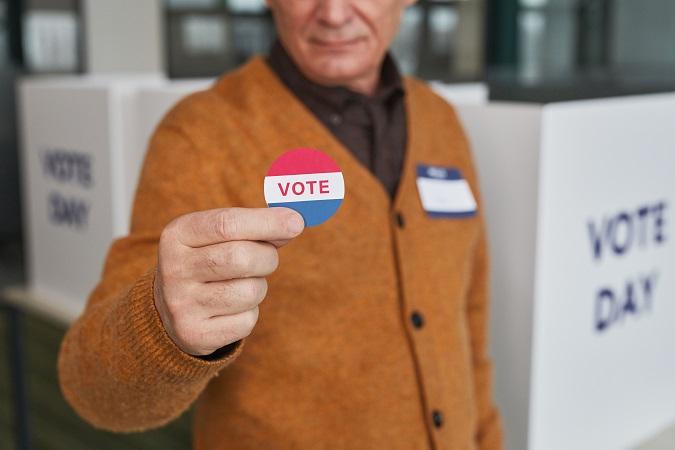
The Midterm Elections and Your Money: Why Politics and Portfolios Shouldn't Mix
Election cycles can stir up some intense emotions. And while everyone is entitled to have their individual beliefs, as well as causes and candidates that they support, there's one area where we all need to draw a very strong line: between our politics and our money. In the run-up to any election, folks across the whole political spectrum ask the Keen Wealth team the same questions. If Candidate X wins: Will the economy go under? Will inflation and interest rates destroy my nest egg? Are my taxes going up? Should I get out of the market and move to cash? History tells us that the feelings folks have around these kinds of questions don't typically move the markets. But following your feelings every other November can lead to some devastating financial moves that may be impossible to recover from. On today's show, we discuss how to keep your retirement plan insulated from the political noise during the midterms.